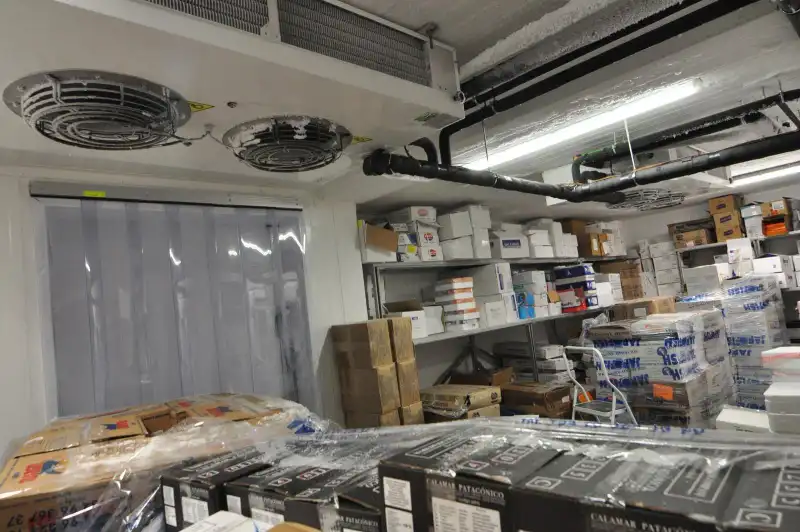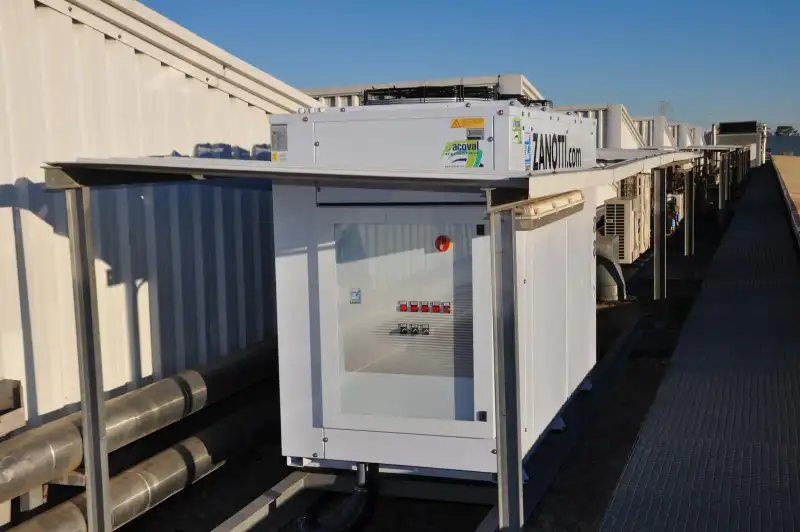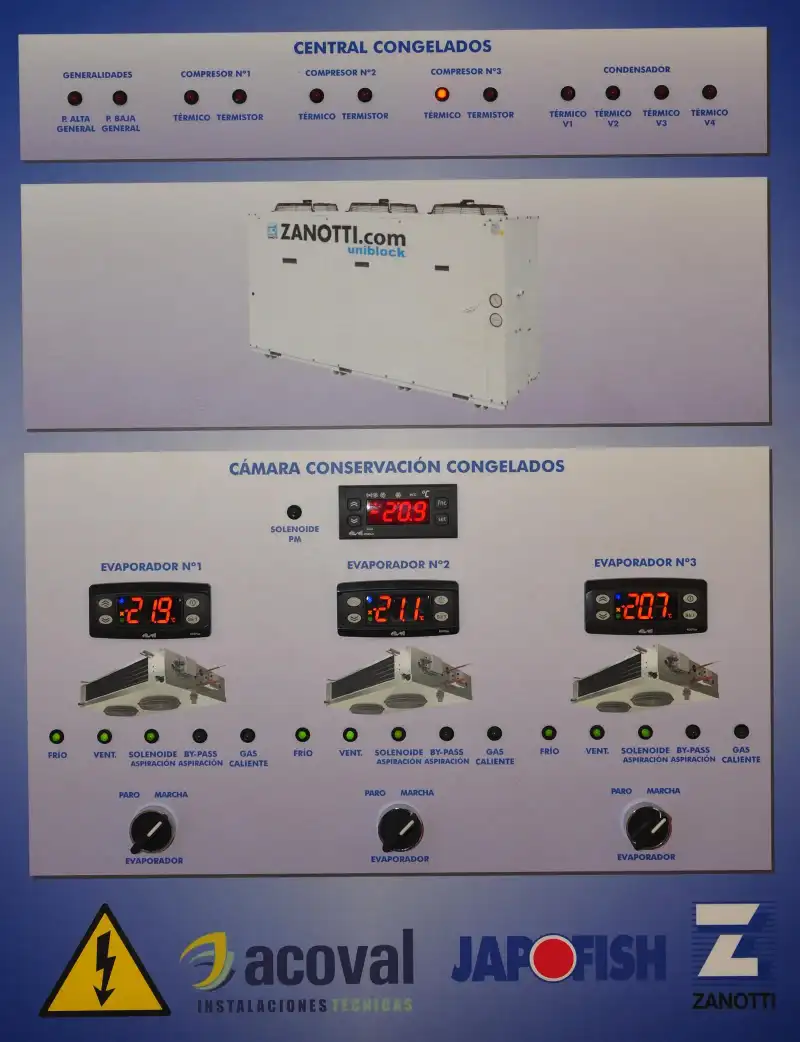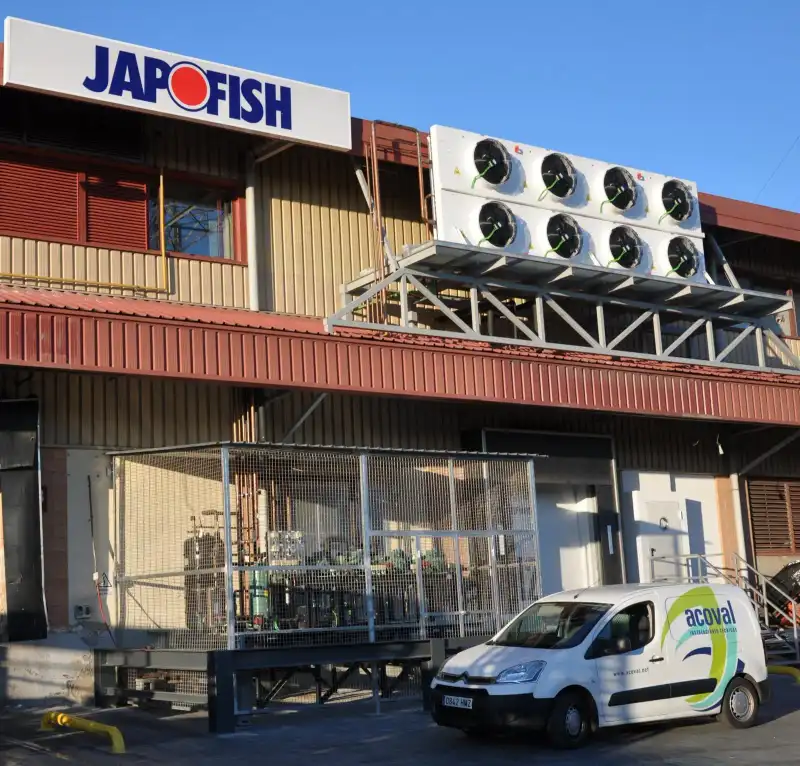
A walk-in cold room is one of the most important investments a restaurant can make. Food safety, compliance with health regulations and, to a large extent, the profitability of the business all depend on it: a product in poor condition is a product that has to be thrown away.
However, choosing the right cold room, installing it correctly and keeping it in good condition are tasks that require technical knowledge. This guide covers everything a hospitality manager needs to know before installing or upgrading their refrigeration system.
Types of cold rooms for the hospitality sector
The fundamental distinction is between positive-temperature and negative-temperature rooms.
Positive cold rooms (chilled storage)
These operate in the range of 0 C to +8 C, although the optimal temperature for most fresh food is between +2 C and +4 C. They are used for:
- Fresh meat and meat preparations.
- Fresh fish and seafood.
- Dairy products, cheeses and cured meats.
- Fruit, vegetables and prepared salads.
- Cooked dishes awaiting service.
They are the most common refrigeration installation in restaurants and professional kitchens.
Negative cold rooms (frozen storage)
These maintain temperatures between -18 C and -22 C. They are essential for:
- Storage of purchased frozen products.
- Freezing surplus in-house production.
- Compliance with blast-chilling regulations prior to thawing in certain processes.
For restaurants that serve raw or semi-raw fish (sushi, ceviche, carpaccio), European regulations require a prior freezing phase at -20 C for at least 24 hours to eliminate potential parasites.
Dual-temperature rooms and refrigerated cabinets
For smaller establishments or those with limited space, there are compartmentalised rooms that combine positive and negative cold zones in a single unit, or refrigerated cabinets of various capacities that do not require construction work.
Sizing: how much space do I need?
The most common mistake in hospitality is installing cold rooms that are too small for the actual activity of the premises. An oversized room is also inefficient, because it operates with too much empty space. Correct sizing depends on:
- Purchase volume and delivery frequency: the longer the gap between orders, the greater the storage capacity needed.
- Number of covers and menu type: a fresh-produce kitchen needs more positive cold space; a menu with many frozen preparations needs more negative cold space.
- Workflow: it is important to separate reception, storage and preparation areas to prevent cross-contamination.
As a general rule, a minimum of 0.1 to 0.2 m3 of positive cold room per cover served per day is estimated, although every project is different.
Storage temperatures by food type
EU Regulation 852/2004 and Spanish food hygiene regulations set temperature ranges for each product category:
- Fresh beef, pork and lamb: maximum +7 C.
- Poultry and small game: maximum +4 C.
- Fresh fish: maximum +2 C, preferably on ice.
- Dairy products and fresh cheeses: between +2 C and +6 C.
- Cooked dishes awaiting service: maximum +8 C for a maximum of 3 days.
- Frozen products: -18 C consistently.
Routinely exceeding these limits, even by a few degrees, not only compromises food safety: it is a direct cause of penalties during health inspections.
Applicable regulations: the RSIF
Refrigeration installations in hospitality premises are regulated by the RSIF (Reglamento de Seguridad para Instalaciones Frigorificas — Spain’s Refrigeration Safety Regulation), approved by Royal Decree 552/2019. This regulation, which updated the earlier RD 138/2011, establishes:
- Installation classification according to the refrigerant used (toxicity, flammability) and the total system charge.
- Technical project requirements for installations exceeding a certain capacity or refrigerant charge.
- Mandatory use of an authorised installer for commissioning, modification and maintenance.
- Preventive maintenance at minimum intervals set according to the installation category.
- Documentation and logbook where all interventions must be recorded.
In the Valencian Community, the regional ministry responsible for industry oversees the permits and compliance with the RSIF.
Sandwich panels and insulation: the foundations of a good cold room
Insulation quality is decisive for cold room efficiency. Industrial cold rooms are built with sandwich panels of polyurethane or polyisocyanurate (PIR) foam injected between two metal sheets.
Panel thickness varies according to operating temperature:
- Positive cold (+2 C to +8 C): 80-100 mm panel.
- Negative cold (-18 C to -22 C): 120-150 mm panel.
Panel joints must be airtight and floors must withstand pallet truck or loading platform traffic where applicable. Doors must fit perfectly to prevent warm air ingress and must have door frame heaters to prevent ice formation on the frame.
Preventive maintenance: the best investment
A well-maintained cold room consumes less energy, lasts longer and remains compliant. Maintenance tasks that must not be neglected include:
- Condenser cleaning: a condenser blocked by dust or grease can reduce compressor performance by up to 30%. It should be cleaned at least twice a year, or more frequently in environments with high airborne contamination.
- Evaporator inspection: check for excessive ice build-up (a sign of an automatic defrost fault) and ensure the fan is operating correctly.
- Refrigerant charge check: a refrigerant loss causes the equipment to work harder to maintain temperature, increasing consumption and accelerating compressor wear.
- Temperature verification and logging: continuous monitoring systems allow deviations to be detected before they become a health or financial problem.
- Door seal inspection: deteriorated seals are one of the leading causes of excessive energy consumption in cold rooms.
Energy efficiency in hospitality refrigeration
Refrigeration can account for 30% to 50% of a restaurant’s total electricity consumption. These measures help reduce it:
- High-efficiency equipment with variable-speed compressors that adapt output to the actual load at any given time.
- Internal LED lighting with low consumption and low heat generation.
- Precise temperature control to avoid operating at lower temperatures than necessary.
- Good operational practices: do not place hot products in the cold room, do not leave doors open longer than necessary, allow space between products for air circulation.
To learn about all the options available for your establishment, visit our industrial refrigeration page where we detail the systems we install and maintain.
How to choose the installer
Installation and maintenance of walk-in cold rooms can only be carried out by companies accredited under the RSIF, with certified technical personnel. Before hiring, check that the company:
- Is registered as an authorised refrigeration installer.
- Has technicians with a current refrigeration installer certificate.
- Provides a technical project when required.
- Handles documentation and legalisation with the competent authority.
- Offers a preventive maintenance contract with intervention records.
Conclusion: the cold room as a strategic investment
A good cold room, properly sized and installed by professionals, is an asset that protects product quality, keeps you in line with health regulations and contributes to business profitability by reducing waste and energy consumption.
If you are planning the installation of a new cold room, the replacement of ageing equipment or simply want an assessment of your current installation, contact us and our industrial refrigeration team will respond as quickly as possible.