A broken cold chain can turn a perfectly safe product into a health hazard in a matter of hours. In the food industry, maintaining the correct temperatures from production through to consumption is not just a matter of quality — it is a legal requirement and a public health responsibility.
In this article we review the fundamentals of the cold chain, the temperatures mandated by regulations and the best practices for ensuring compliance.
Positive cold and negative cold
In industrial refrigeration, two types of cold are distinguished:
- Positive cold (0 C to 8 C): used for preserving fresh products such as fruit, vegetables, dairy, meat and fish. It slows bacterial growth without freezing the product.
- Negative cold (-18 C or below): used for freezing and deep-freezing. It virtually halts microbiological activity and allows food to be preserved for months.
Each type requires different equipment, insulation and control systems. A common mistake is using cold rooms designed for positive temperatures in applications that require sub-zero conditions, compromising both the product and the equipment’s service life.
Reference temperatures by product type
Regulations and best practices establish clear ranges:
- Fresh meat: 0 C to 4 C.
- Fresh fish: 0 C to 2 C (on ice or in high-humidity cold rooms).
- Dairy products: 2 C to 8 C depending on the specific product.
- Fruit and vegetables: 4 C to 8 C depending on the variety.
- Frozen products: -18 C or below at all times.
- Ice cream and deep-frozen products: -20 C to -22 C.
A fluctuation of just 2 or 3 degrees during transport or storage can accelerate degradation and significantly reduce the product’s shelf life.
RSIF compliance
Spain’s Regulation on Safety for Refrigeration Installations (RSIF), governed by Royal Decree 552/2019, sets the technical and safety requirements for all industrial refrigeration installations in the country.
Its key requirements include:
- A technical project signed by a qualified engineer for installations exceeding a certain refrigeration capacity.
- Refrigerant classification and charge limits based on the toxicity and flammability of the gas used.
- Mandatory maintenance with documented periodic inspections.
- Qualified personnel: maintenance operations must be carried out by authorised installation companies with certified technicians.
Complying with the RSIF not only avoids penalties but also ensures the installation operates safely and efficiently throughout its service life.
Continuous monitoring: the key to preventing incidents
Recording and alarm systems are essential in any professional refrigeration installation. An effective monitoring system must:
- Record temperatures continuously in every cold room and storage area.
- Generate automatic alerts when established thresholds are exceeded.
- Store data for review and presentation during health inspections.
- Provide remote access so that the person responsible can respond quickly to any anomaly.
These records are also a requirement for compliance with the Hazard Analysis and Critical Control Points (HACCP) plans mandated by European food legislation.
Common mistakes and how to avoid them
In our experience as installers and maintainers of industrial refrigeration systems, the most frequent problems are:
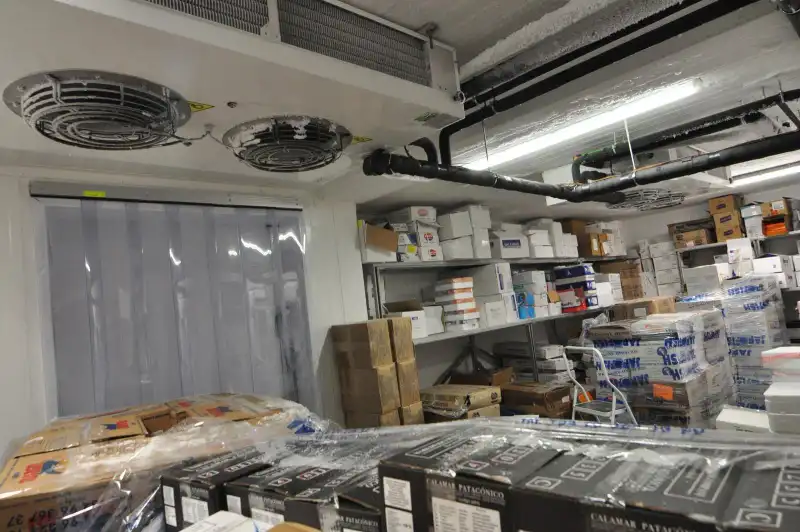
- Overloading cold rooms, which prevents proper cold air circulation.
- Not respecting door opening times, causing temperature spikes.
- Ignoring alarms or disabling them because they are considered a nuisance.
- Delaying maintenance of the evaporator and condenser, which gradually reduces cooling capacity.
Each of these mistakes is preventable through staff training and a proper maintenance plan.
A reliable installation starts with good design
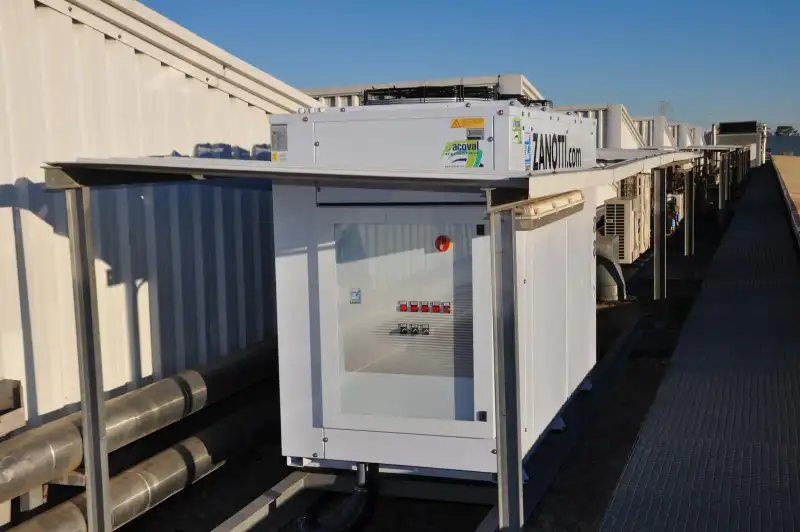
At Acoval we design and install industrial refrigeration systems tailored to every need: from small storage cold rooms to centralised refrigeration plants for large processing facilities. We work with both positive and negative cold equipment, and we offer maintenance contracts that guarantee regulatory compliance and operational peace of mind.
If your business depends on the cold chain, we can help you keep it running without disruption.