Many businesses manage their technical installations in a purely reactive mode: action is only taken when something fails. This is understandable — the pressure of day-to-day operations leaves little room for planning — but it is also the most expensive and riskiest way to manage a company’s technical assets.
A well-structured annual maintenance plan completely changes that dynamic. Instead of reacting to breakdowns, you prevent them. Instead of urgent, costly repairs, you carry out scheduled, controlled and documented interventions. The result is greater equipment availability, lower energy consumption and a significantly lower total maintenance cost.
What installations the plan should cover
A comprehensive maintenance plan must address all the technical systems at the workplace. The most common ones in industrial and commercial businesses are:
HVAC and ventilation
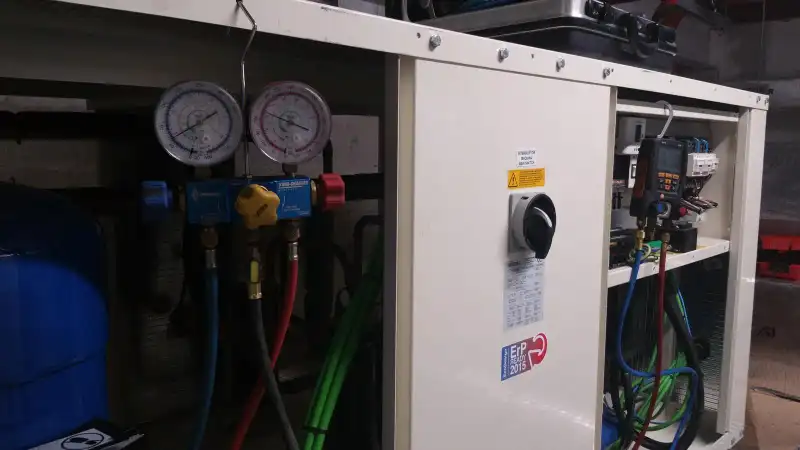
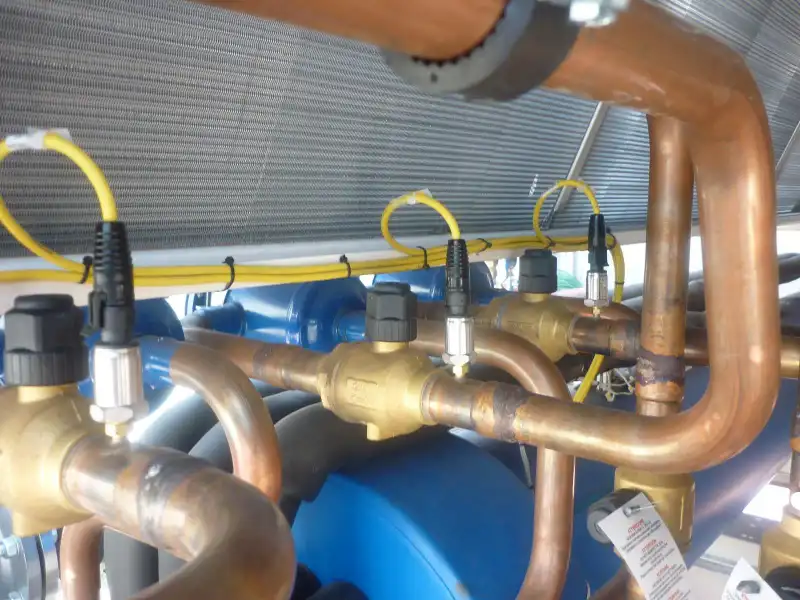
HVAC systems are among the equipment with the greatest impact on energy bills and indoor comfort. The plan should include inspections of indoor and outdoor units, cleaning of filters and heat exchangers, verification of the refrigerant circuit (pressures, temperatures, leak-tightness), checks on control systems and inspection of ductwork and grilles.
The RITE (Reglamento de Instalaciones Termicas en los Edificios — Spain’s Building Thermal Installations Regulation) sets maintenance obligations for thermal installations with a rated capacity above 5 kW. Non-compliance can lead to penalties and insurance invalidation in the event of an incident.
Electrical installations
The electrical installation is the backbone of any workplace. A poorly maintained installation is a source of breakdowns, energy losses and, in the worst case, fires. The plan should include inspection of electrical panels (terminal tightening, protection condition), insulation resistance measurements, phase balance checks, verification of the earthing system and, for installations of a certain size, an annual thermographic inspection to detect hot spots.
The REBT (Reglamento Electrotecnico de Baja Tension — Spain’s Low Voltage Electrical Regulation) requires periodic inspections for industrial installations every five years, although annual preventive maintenance goes well beyond minimum regulatory compliance.
Refrigeration installations
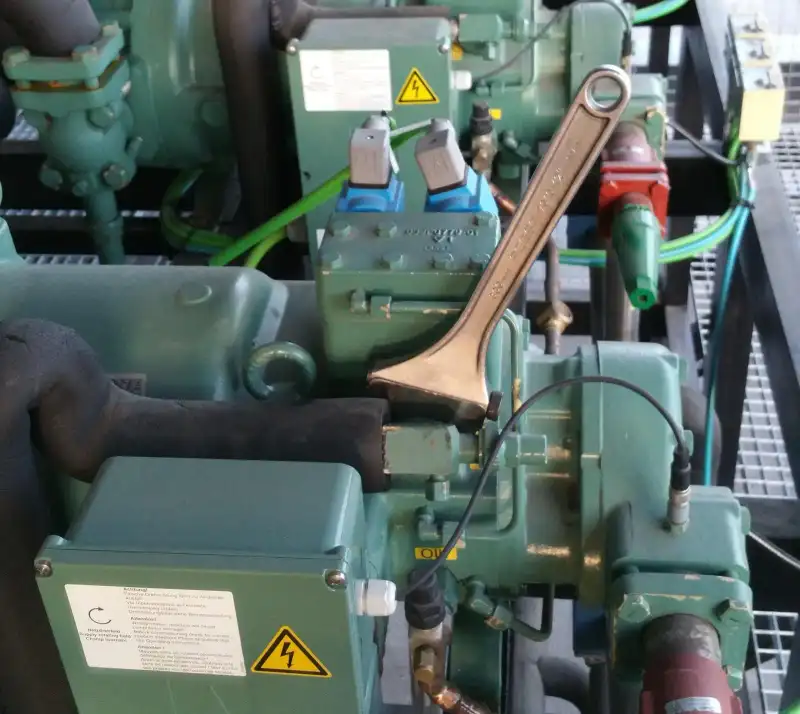
Walk-in cold rooms and industrial refrigeration systems have specific requirements. In addition to mechanical and electrical components, the plan must include leak-tightness verification of the refrigerant circuit, oil and refrigerant level checks, inspection of safety devices (pressure switches, relief valves) and verification of target and operating temperatures.
The RSIF (Reglamento de Seguridad para Instalaciones Frigorificas — Spain’s Refrigeration Safety Regulation) sets maintenance obligations according to the installation category. Equipment with a refrigerant charge of 3 kg or above requires leak checks at regulated intervals.
Heating and DHW
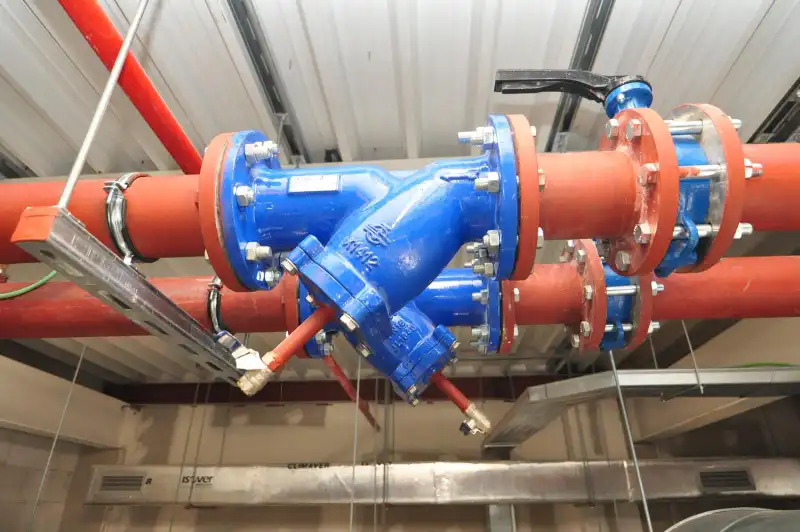
Heat generation and domestic hot water installations require inspections of the condition of heat exchangers and distribution elements, DHW temperature control for Legionella prevention, verification of expansion and safety systems, and maintenance of boilers and heat pumps in accordance with manufacturer instructions.
Inspection frequencies by system type
The periodicity of inspections should not be arbitrary. It must be based on manufacturer instructions, regulatory requirements and the criticality of each installation to the business.
As a general reference:
| System | Minimum recommended frequency |
|---|---|
| Commercial HVAC (< 70 kW) | Twice yearly |
| Industrial HVAC (> 70 kW) | Quarterly or twice yearly per RITE |
| Continuous-operation industrial refrigeration | Monthly or quarterly |
| Walk-in cold rooms (food use) | Monthly |
| Electrical installation | Annual + thermography |
| Heating and DHW | Annual |
| Standby generator | Twice yearly + annual load test |
Installations that operate continuously, in aggressive environments (high humidity, high temperature, dust) or that are critical to business operations should be inspected more frequently than those with occasional use or benign conditions.
Seasonal planning: making the most of each season
A good maintenance plan takes the annual cycle of each installation into account and schedules inspections at the most appropriate time.
Spring: inspection of air conditioning equipment before the hot season. This is the time to clean heat exchangers, verify the refrigerant circuit and confirm correct operation before demand peaks.
Autumn: inspection of boilers, heat pumps and heating systems before temperatures drop. This is also the time to review DHW installations with a comprehensive temperature check for Legionella prevention.
Summer: inspection of chiller units, walk-in cold rooms and equipment operating under maximum load during this season.
Winter: maintenance of electrical installations and panel inspections, taking advantage of lower HVAC demand.
Documentation: the technical memory of the installation
Maintenance without documentation is only half the job. Recording every intervention is essential for several reasons:
- Regulatory compliance: the RITE, RSIF and REBT all require maintenance logbooks with a record of every intervention.
- Traceability: knowing an item of equipment’s history allows you to detect degradation patterns and anticipate future failures.
- Warranties: in the event of a breakdown, documented history can be decisive for manufacturer warranty claims.
- Insurance: in the event of an incident, the insurer may require evidence of the maintenance carried out.
Each record should include the date of the intervention, the equipment inspected, the measurements taken (pressures, temperatures, consumption), the actions performed, any materials or parts replaced and the technician’s observations.
Cost-benefit of preventive maintenance
The most common objection to preventive maintenance is its cost. But the correct comparison is not between the cost of maintenance and the zero cost of doing nothing — it is between the cost of preventive maintenance and the total cost of reactive maintenance.
Industry data is consistent: the cost of an unplanned major breakdown is between 3 and 9 times the cost of the preventive intervention that could have prevented it. And that does not include indirect losses from operational downtime, product loss, out-of-hours emergencies and potential legal liabilities.
An annual maintenance contract for the technical installations of a medium-sized business typically represents between 1% and 3% of the value of the maintained assets. A single major breakdown with downtime can cost 15% or more of that value in a single incident.
How to organise the plan: practical steps
To structure an effective maintenance plan, you can follow this process:
- Inventory all technical installations and equipment at the workplace.
- Classify by criticality to the business and by regulatory requirement.
- Define the maintenance tasks needed for each item of equipment and their frequency.
- Schedule inspections in the annual calendar, considering seasonality and lower-activity periods.
- Assign responsibilities: what is done by in-house staff and what is outsourced to a specialist company.
- Document every intervention and review the plan annually.
At Acoval we design and deliver preventive maintenance plans tailored to each type of business in Valencia and Aldaia: from small commercial premises to complex industrial installations with multiple technical systems.
If you want to stop relying on emergency repairs and bring your installations under control, the first step is to structure a plan. Get in touch and we will help you design it from day one.